Woojer Resources

What is Woojer?
Woojer develops innovative haptic technology that enables users to feel sound through vibration, creating immersive sensory experiences for music, gaming, wellbeing and education. By converting low-frequency audio into physical sensation, Woojer products add a tactile dimension to listening, performance and music-making, allowing users to experience sound through touch as well as hearing.
Haptic technology is increasingly being explored as a way of creating more inclusive and engaging experiences. For music educators, it offers opportunities to experience rhythm, pulse, dynamics, texture and bass frequencies through touch as well as hearing, supporting a wider range of learning styles and sensory preferences. By providing an additional sensory pathway to experiencing music, technologies such as Woojer may benefit d/Deaf musicians, neurodivergent learners, and others who engage with music through movement, touch or multi-sensory experiences.
TiME has been introducing Woojer technology to educators, learners, researchers and practitioners through conferences and showcase events across the UK, including the University of Sussex Music Education Conference, the Black Country SEND Music Conference and the Sounds of Intent Festival. These opportunities have enabled participants to experience haptic technology first-hand and explore its potential within music education and inclusive practice.
The response has been overwhelmingly positive, with many participants commenting on the enhanced connection to rhythm, bass frequencies and musical energy that haptic feedback can provide. As TiME continues to gather feedback and examples of practice, we look forward to sharing further insights and case studies from schools, music hubs, community organisations and specialist settings.
The Woojer Range
Woojer currently offers three main products, each designed to provide a different haptic experience depending on the user's needs, environment and intended application.
Woojer Vest
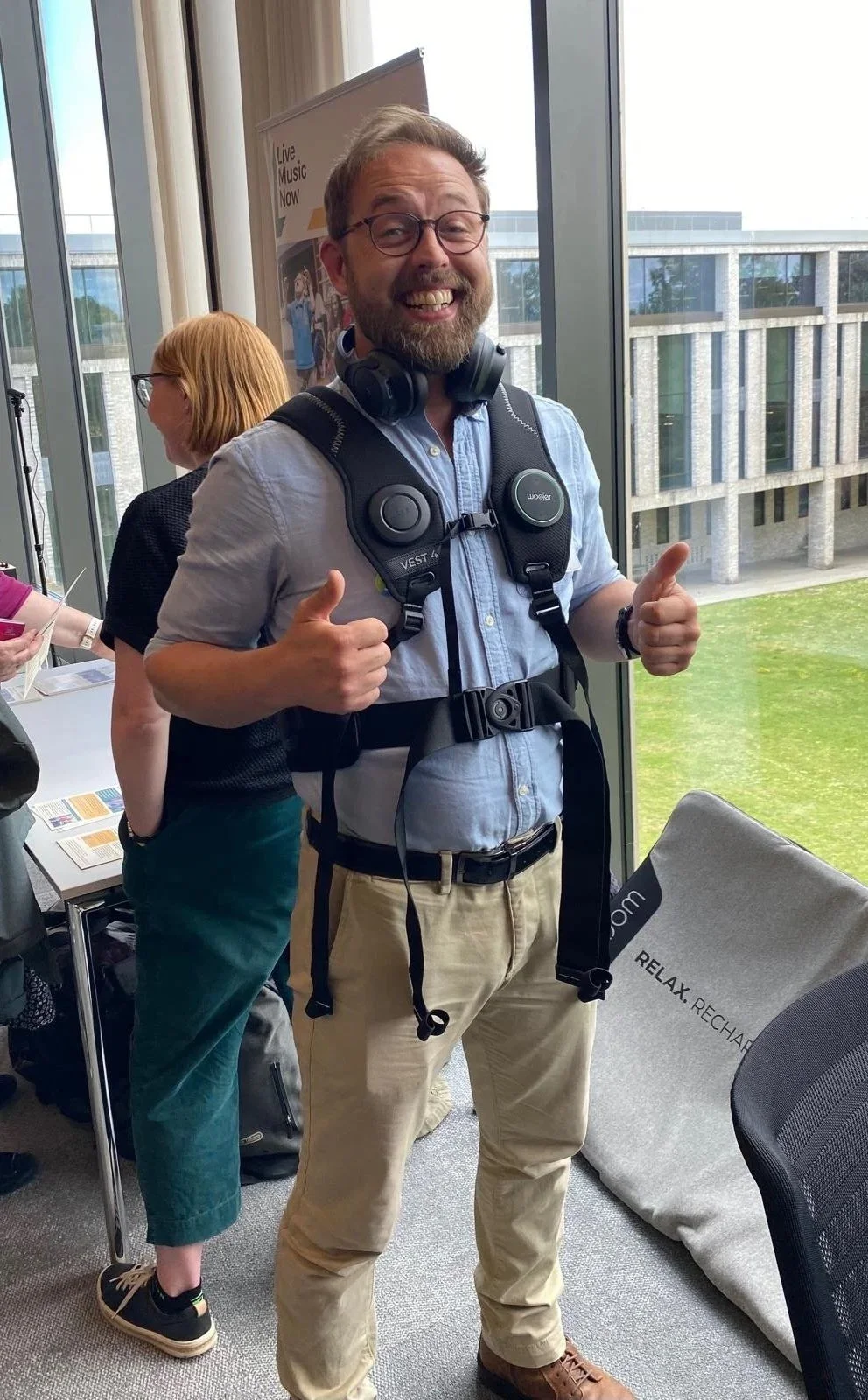
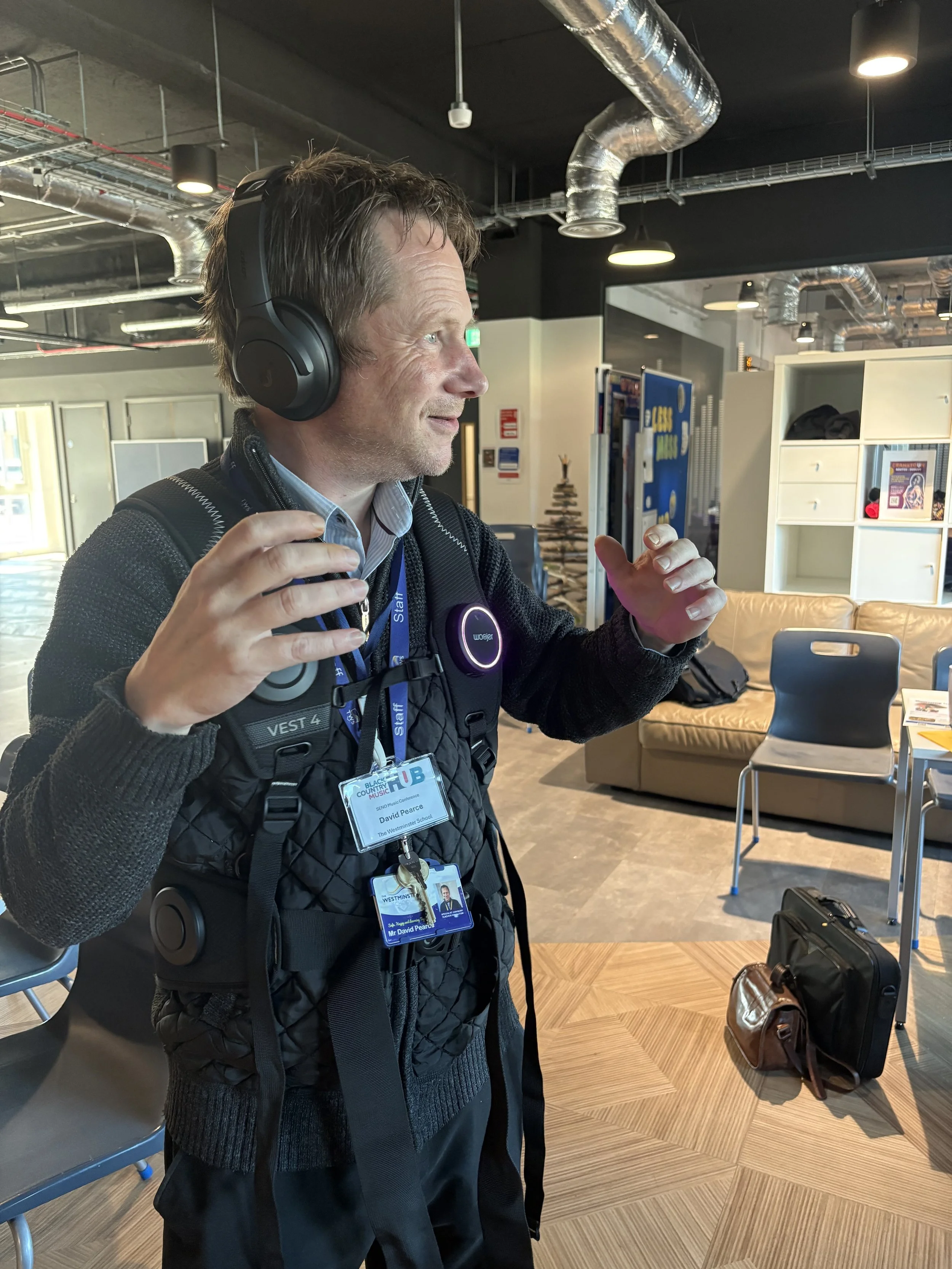
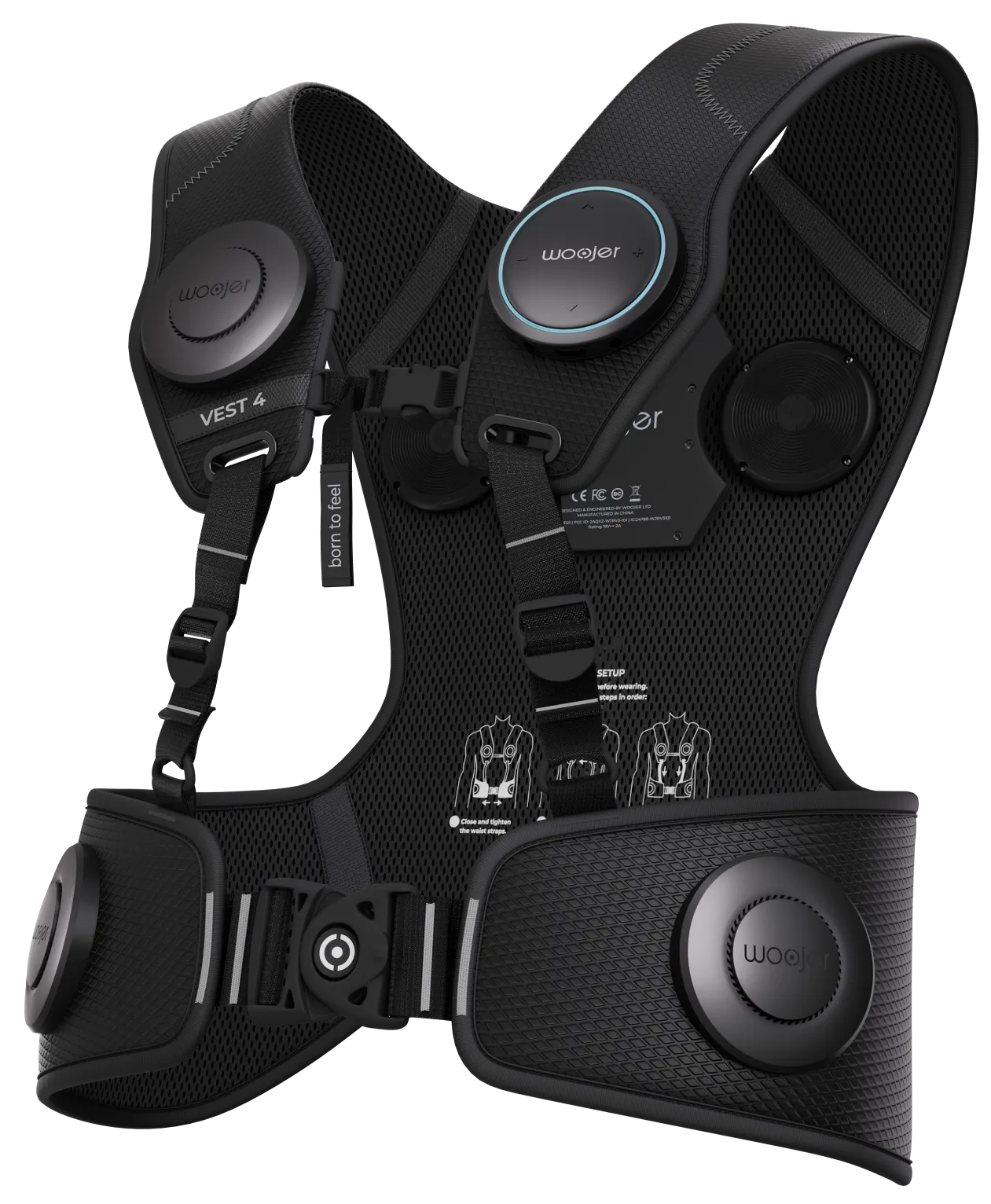
The Woojer Vest is the company's flagship wearable haptic device. Worn like a lightweight jacket, it features six independently positioned haptic transducers distributed around the body. These respond directly to the audio signal, allowing users to feel bass frequencies, rhythm and movement within a mix across multiple areas of the torso and back.
Unlike simple vibration devices, the Vest responds to both frequency content and stereo positioning within the audio. Deep bass frequencies may be felt differently across the body, while sounds panned left or right in a stereo mix can create a greater sense of spatial movement. This can result in a highly immersive listening experience for music, performance, gaming and media.
The Woojer Strap
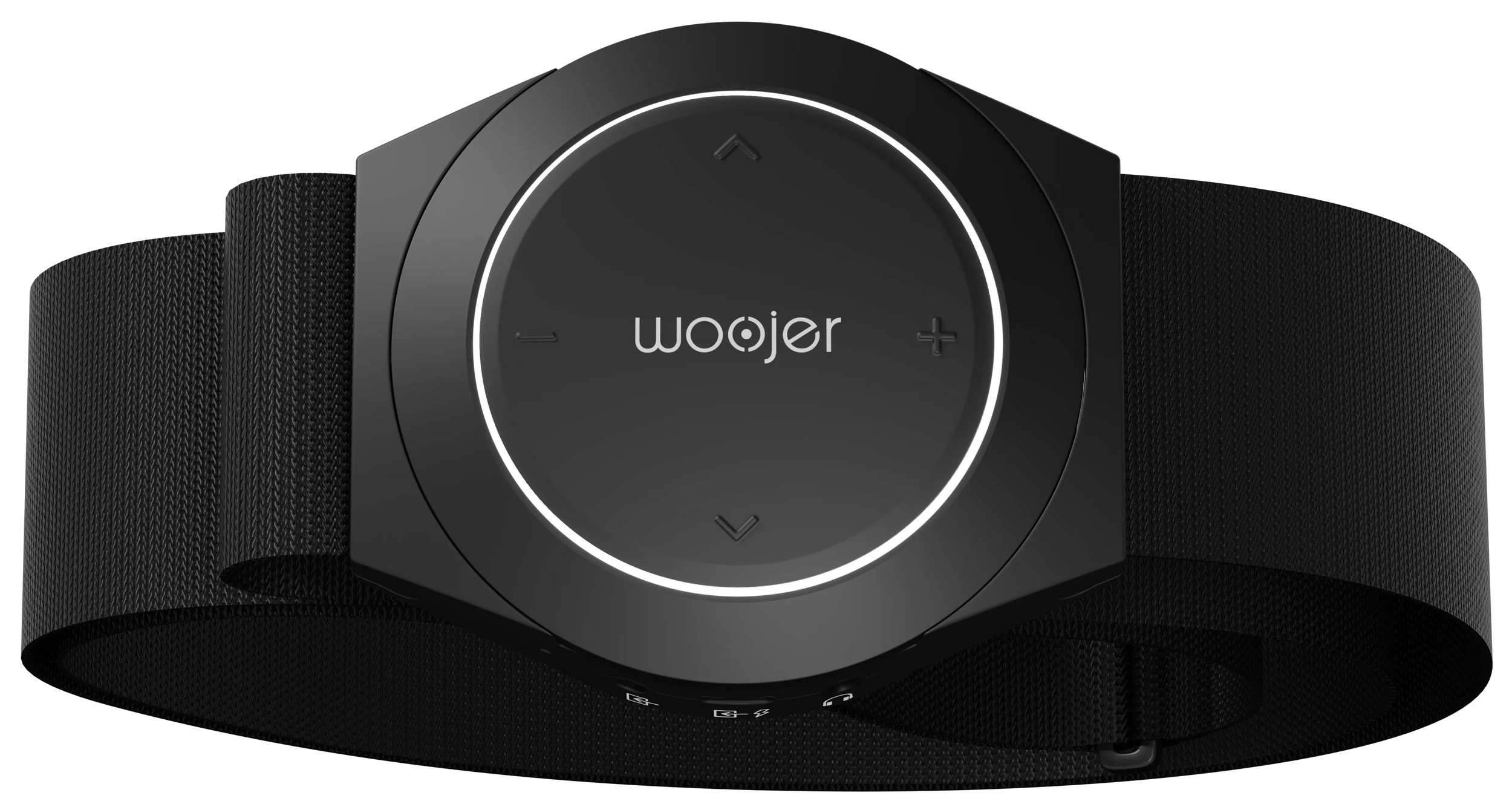
The Woojer Strap provides a more compact and portable alternative to the Vest. Featuring a single haptic transducer, it can be worn around the torso, over the shoulder, held in the hand or attached to a chair.
For some users, particularly those who prefer a more focused or less intensive sensory experience, the Strap may provide a comfortable introduction to haptic technology while still offering meaningful tactile feedback from music and sound.
Woojer Mat
The Woojer Mat is a vibro-acoustic platform designed to allow users to experience sound through their entire body while seated or lying down. Suitable for wellbeing, relaxation, therapeutic and sensory environments, the Mat combines audio playback with full-body vibration to create a highly immersive experience.
The Mat may be of interest to specialist settings, therapeutic environments and organisations exploring sensory approaches to music, sound and wellbeing.

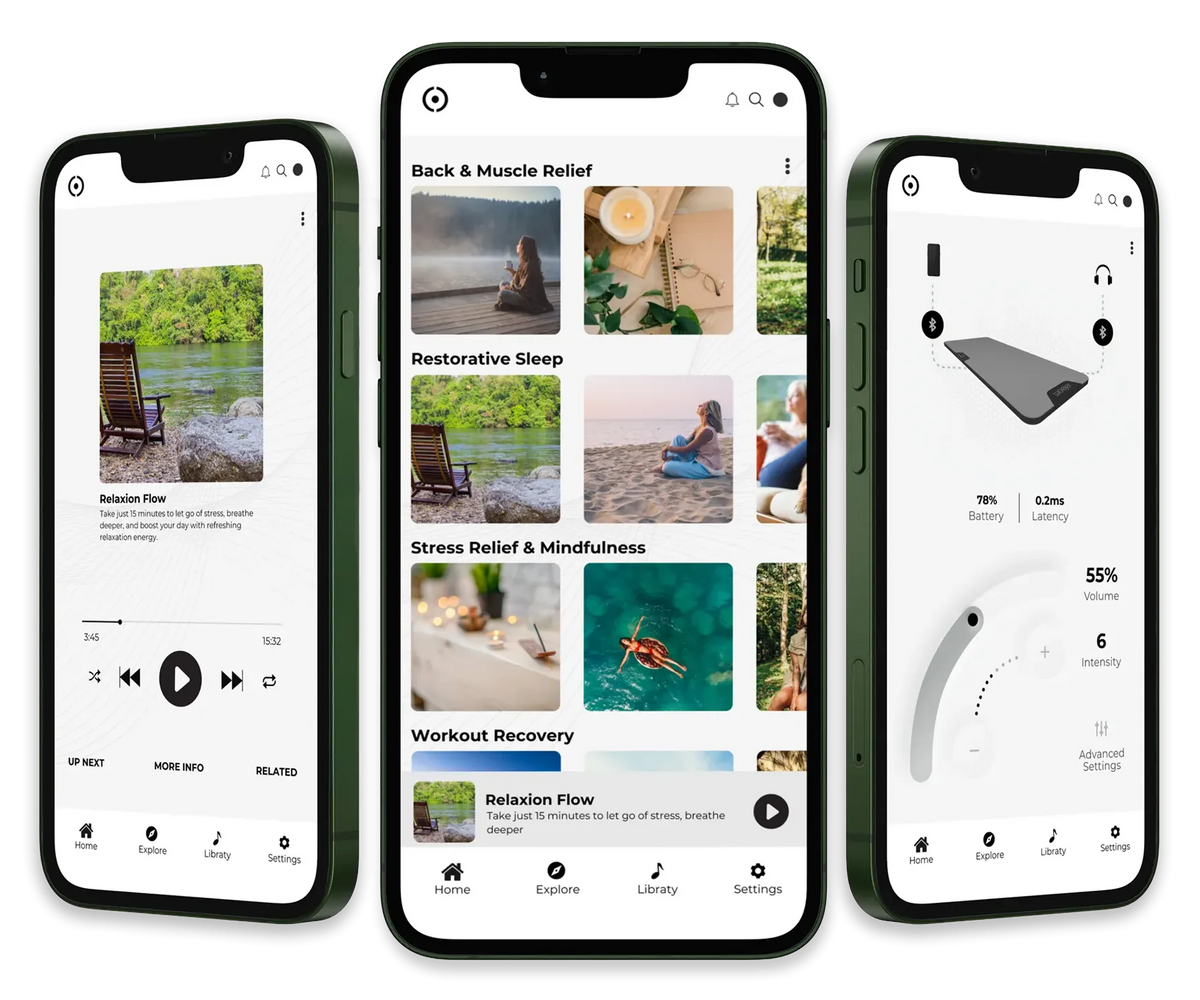
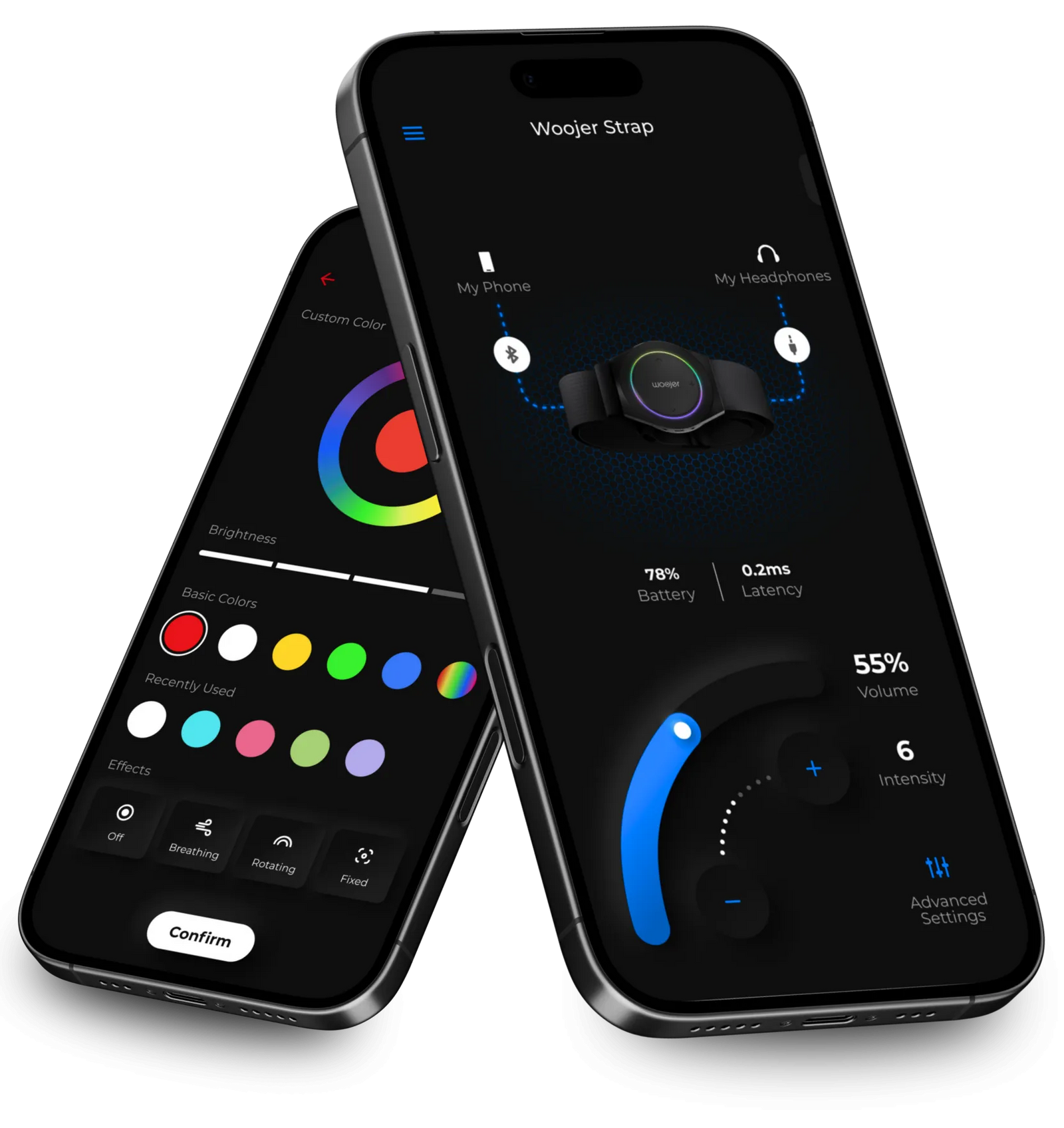
The Woojer App. In addition to the onboard controls, the free Woojer app provides access to a range of settings, including vibration intensity and volume. This allows educators, therapists, support staff and carers to configure the device for individual learners, helping to create a comfortable and personalised experience.
Research and Practice
Early examples from education and research suggest that haptic technology has the potential to enhance access to music and improve sensory engagement for some learners. A number of schools and organisations supporting d/Deaf people have explored wearable haptic devices as a way of enabling users to experience rhythm, bass frequencies and other musical elements through vibration.
Research projects investigating haptic technologies at live music events have also reported positive responses from participants, highlighting their potential to create more immersive and inclusive musical experiences. While research in this area is still developing, these early studies suggest that haptic technologies such as Woojer may have an important role to play in broadening access to music alongside, rather than replacing, traditional listening experiences.
At TiME, we are committed to building a practical evidence base around the use of haptic technology in music education. Through partnerships with schools, music hubs, specialist settings and industry, we are developing a growing collection of case studies that explore how Woojer can support accessible and inclusive music-making.
As these projects progress, this resource will continue to evolve, bringing together examples of practice, educator experiences and practical guidance to help the music education sector better understand the opportunities that haptic technology can offer.
Resources:
Deaf Rave is a leading d/Deaf-led organisation creating accessible music events and opportunities for d/Deaf, disabled and neurodivergent communities across the UK and internationally. Through festivals, live performances, workshops and community events, Deaf Rave celebrates Deaf culture while championing greater access to music and the arts. Initiatives include 'Feel the Bass', where audience members can wear Woojer haptic devices to experience music through vibration as well as hearing. Alongside live events, Deaf Rave offers sign song and sign rap performances, Woojer hire for concerts and festivals, and advice on creating more inclusive music events.
Deaf Academy – Woojer in Education
A UK case study describing how Woojer vests are being used to help deaf students experience music, support communication and explore new sensory approaches to sound.
Live Audience Accessibility and Augmentation (LAAA) Project – Falmouth University
A major UK research project exploring how haptic technologies, including Woojer vests and haptic dance floors, can improve accessibility and inclusivity at live music events for d/Deaf, disabled and neurodivergent audiences.
Woojer Technology
Learn more about Woojer's patented Osci™ haptic technology and how it converts audio into tactile feedback.
Woojer Support Centre
Official setup guides, user manuals and troubleshooting information for Woojer products.